Applications
The site decides
the shortlist.
A mower must reach the work, move through it and leave the required finish. Explore the constraints that matter in each application.
Application planning, select and operate equipment to the confirmed model instructions.
01 / Orchard rows
Clear the row. Keep the access.
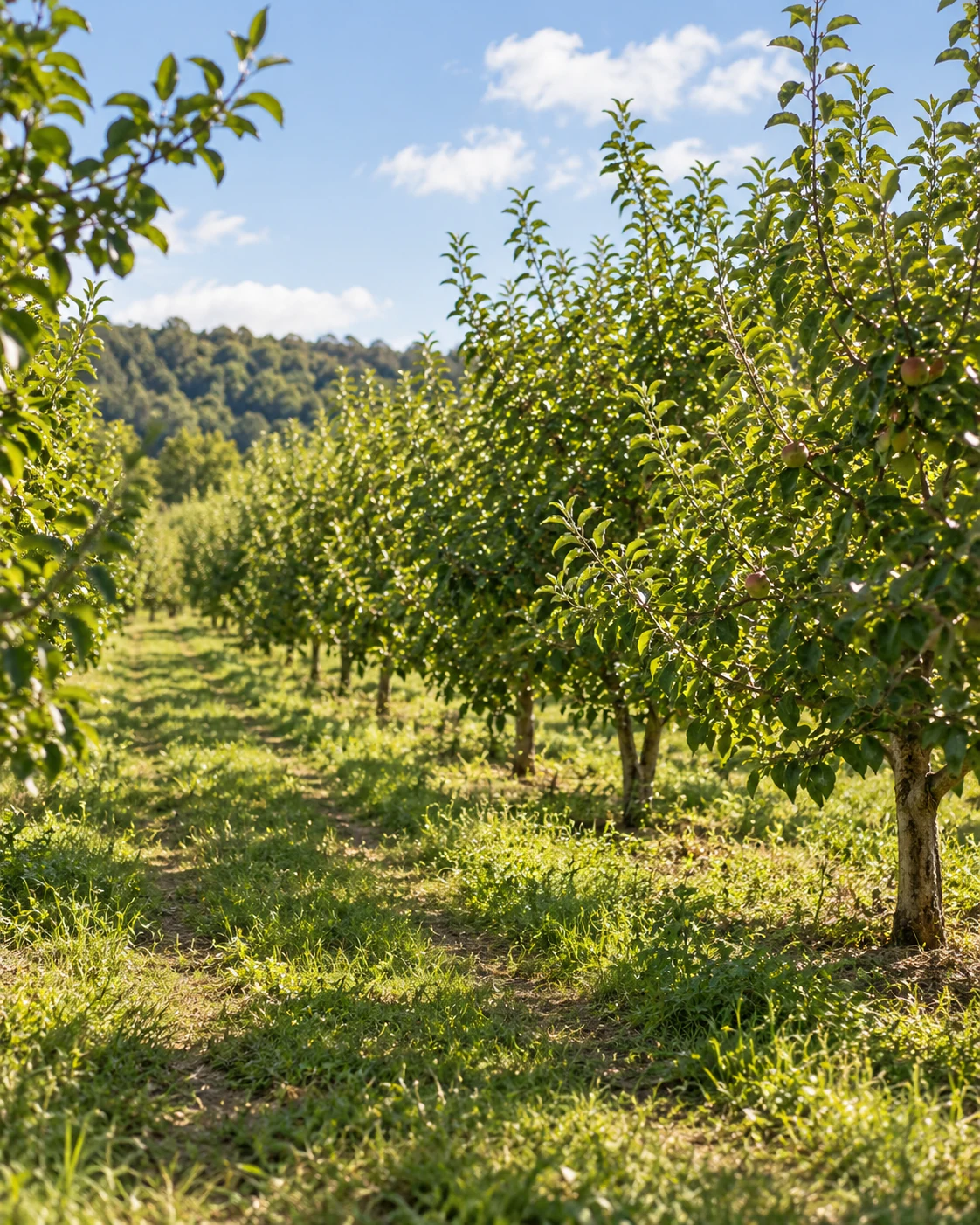
Orchard work combines low branches, changing row widths, trunks and irrigation lines. Access measurements should describe the complete route, including the turning area at the end of each row.
- Measure the limiting points Record the narrowest entrance, branch clearance and space around trunks. Machine width and body height matter separately from cutting width.
- Describe the ground cover Routine grass and dense seasonal growth create different cutter requirements. Include the desired finish and mowing frequency.
- Build a clearance-led shortlist The compact 550L family is a starting point for low-access enquiries. The 550L-B brochure lists a 475 mm body height, subject to the quoted version.
Application planning, select and operate equipment to the confirmed model instructions.
02 / Slopes, verges & embankments
Traction is only part of the decision.
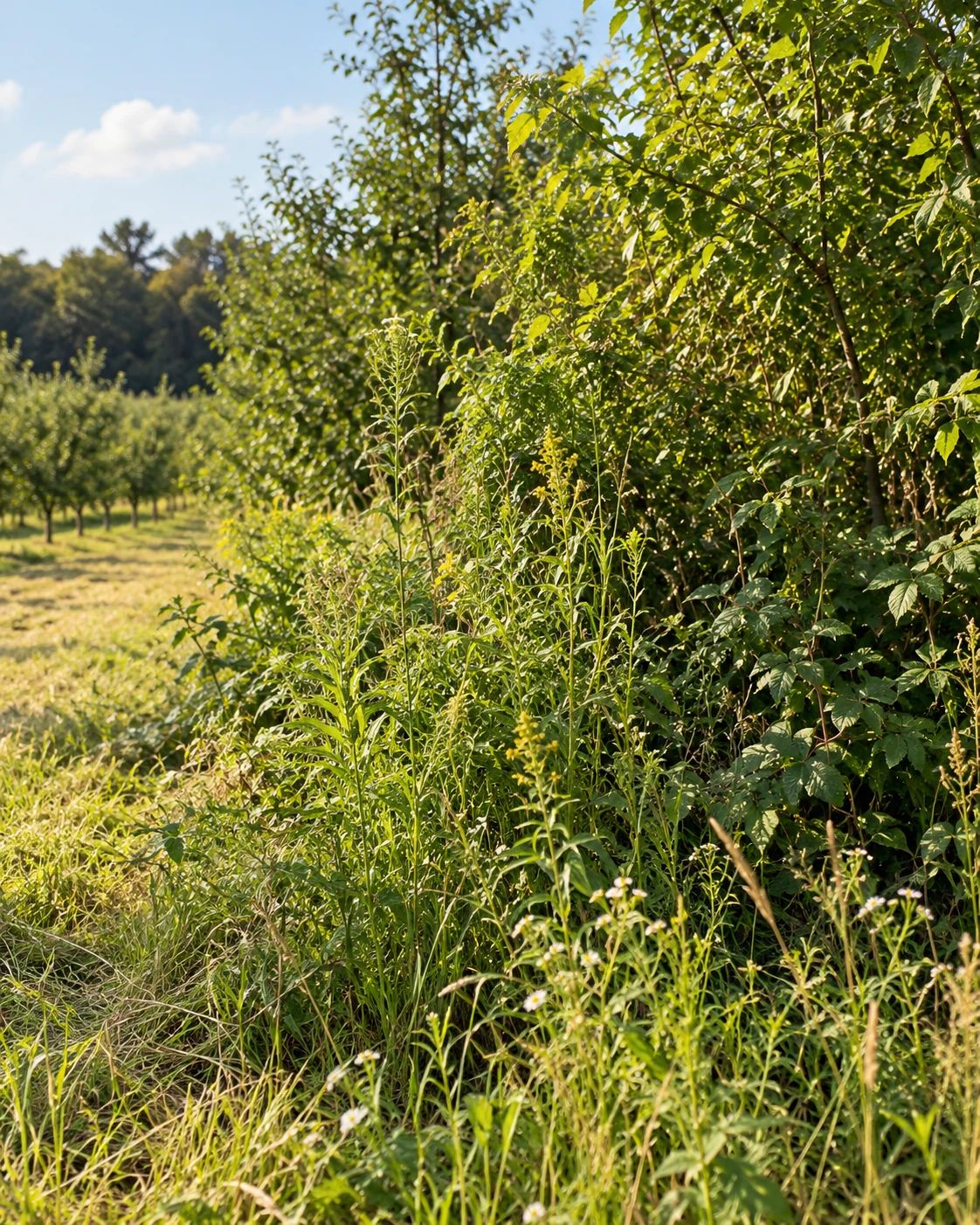
Sloped ground adds changing traction, turning constraints and a need for a clear operating position. A nominal gradient figure alone cannot describe wet ground, loose soil or an uneven bank.
- Document the slope and surface Provide measured gradient, ground material and any ruts, steps or transitions. Photographs should show the route as well as the steepest section.
- Plan the operator position Identify sight lines, nearby roads, people and possible obstacles. Working limits and procedures need to come from the instructions for the proposed machine.
- Compare the platform and cutter together Tracked and slope-oriented platforms are available. For taller growth, also assess whether rotary or flail cutting fits the material.
Application planning, select and operate equipment to the confirmed model instructions.
03 / Solar-site vegetation
Work around the infrastructure.
Solar sites introduce panel structures, supports, cables, drainage routes and maintenance lanes. The right enquiry focuses on both access beneath structures and movement between rows.
- Map the restricted areas Measure the lowest clearance and the narrowest usable route. Mark cable runs, supports and areas that the machine must avoid.
- Define the maintenance objective State whether the priority is keeping access lanes open, controlling vegetation height or maintaining the wider site.
- Check a representative pass Request a demonstration around comparable obstructions and turning space. Confirm the proposed machine dimensions and the site operating method before selection.

Application planning, select and operate equipment to the confirmed model instructions.
04 / Parks, estates & farms
Match the cut to the maintenance cycle.
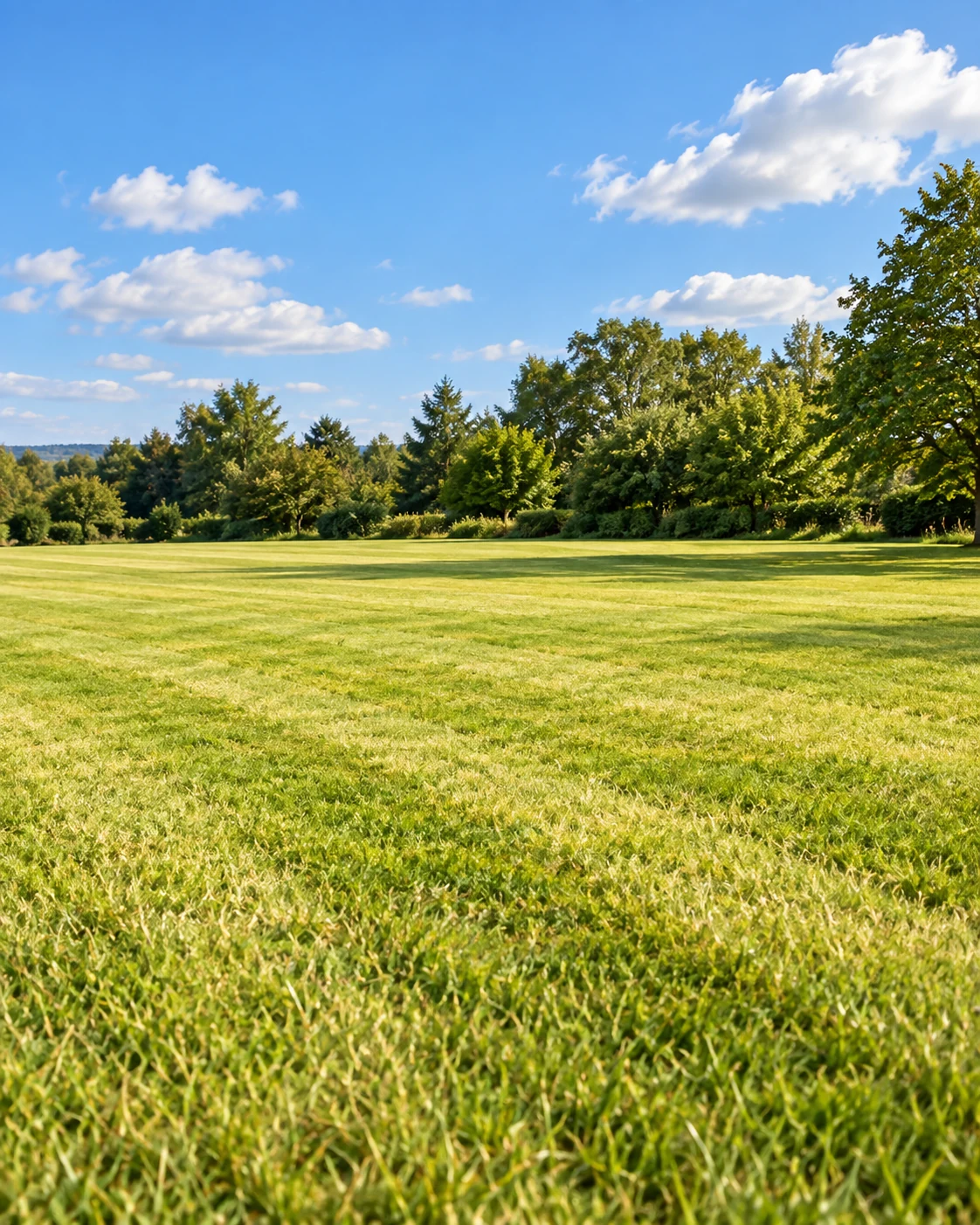
Routine grounds maintenance and occasional clearing ask different things of a machine. Frequent passes on maintained grass should not be assessed in the same way as first-cut clearance on rough land.
- Separate routine grass from rough growth Describe vegetation height, density and the required finish. This helps distinguish a rotary-mowing enquiry from a flail-cutting discussion.
- Allow for movement between areas Include gates, paths, surface changes and loading arrangements. A wide cutting deck still needs a workable transport and access route.
- Choose power around the workday Compare petrol, diesel and EV options by the available configurations, energy or fuel arrangements and service requirements.
Application planning, select and operate equipment to the confirmed model instructions.
05 / Commercial & industrial snow clearing
Choose where the snow needs to go.
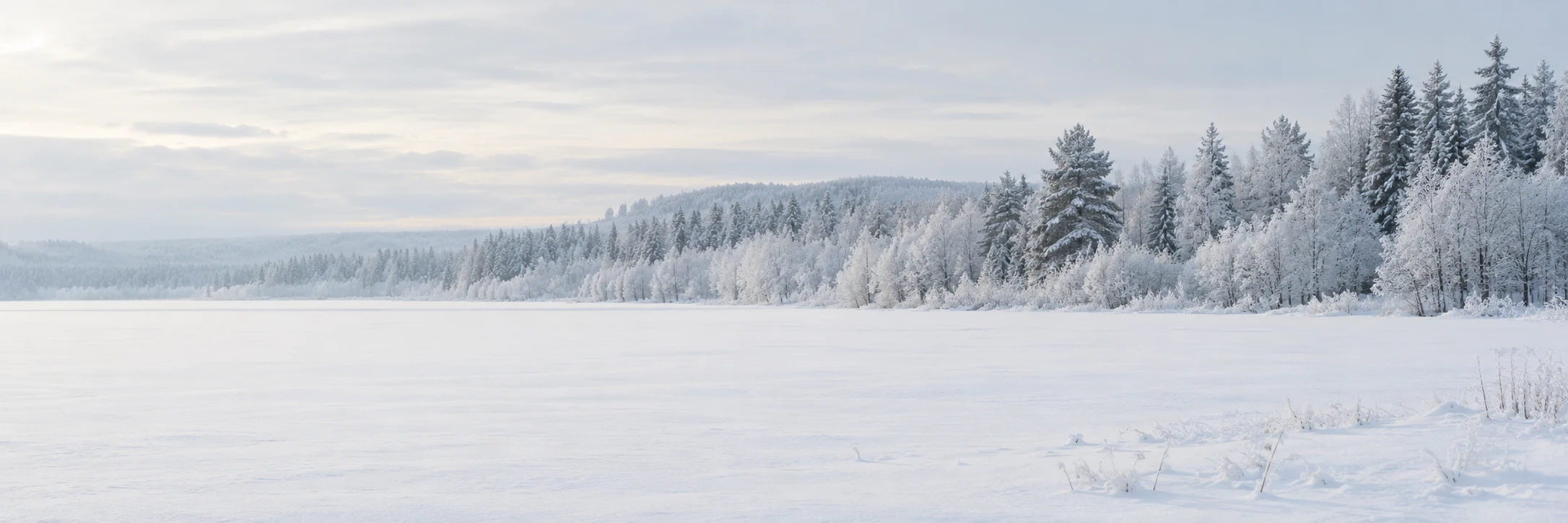
Sweeping, blowing and pushing solve different snow-clearance problems. Start with the snow condition, the access route and the place where cleared snow can be stored or discharged.
- Sweeper: surface clearing The supplied sweeper uses an 800 mm brush. Describe the surface and typical snow accumulation when requesting the working specification.
- Blower: directed discharge The 800 mm blower provides a different clearing method. Identify a discharge area away from people, vehicles and sensitive infrastructure.
- Blade: push and gather The 1100 mm blade is relevant where there is room to push and accumulate snow. Include corners, route width and storage areas in the site plan.